
What Is Digital Marketing? Complete Beginner’s Guide
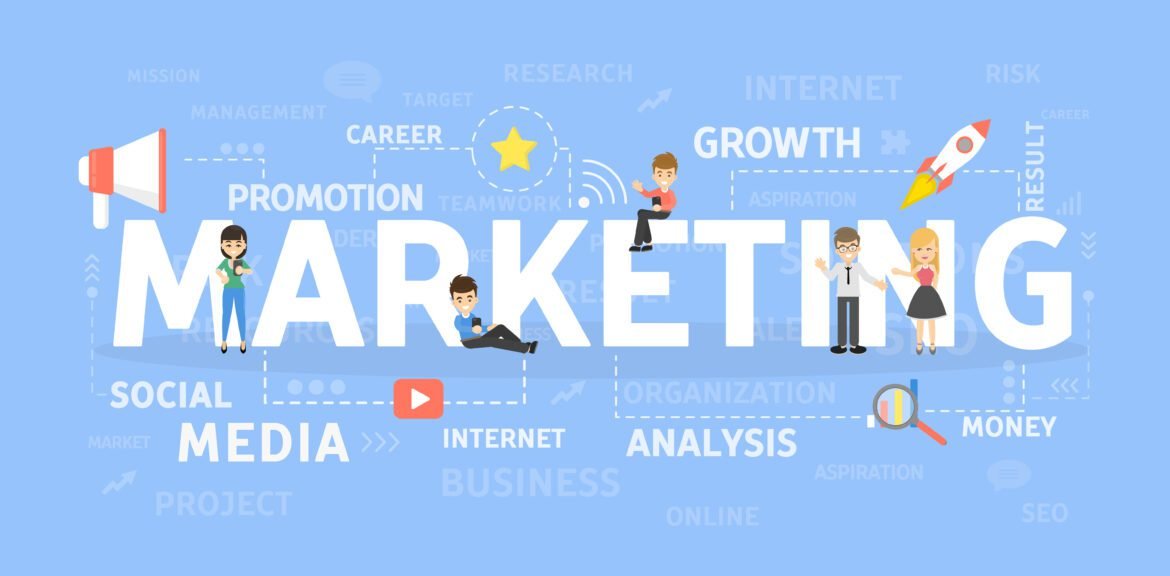
Quick answer: Digital marketing is the practice of promoting a product, service or brand through digital channels such as search engines, social media, email, websites and paid ads. Its goal is to reach the right people, bring them to you, and turn them into customers. Unlike a newspaper ad or a hoarding, you can track who saw it, who clicked, and who bought.
This guide explains what digital marketing is, its main types, how to start, and when to hire help. It is written for business owners, students and anyone new to the topic.
Table of Contents
- Digital marketing in simple words
- Digital vs traditional marketing
- Why it matters for Indian businesses
- Main types of digital marketing
- How digital marketing works (the customer journey)
- How to start: 7 steps
- Metrics that matter
- Digital marketing jobs and skills
- Common beginner mistakes
- Do it yourself or hire an agency?
- FAQs
- Conclusion
Digital Marketing in Simple Words
Think of a shop owner in Janakpuri. In the past, they put up a sign, printed pamphlets and relied on word of mouth. Today, most customers search on their phone first. They look at Google, check reviews, scroll Instagram and compare prices before they visit.
Digital marketing means showing up in those places, with the right message, at the right time. It includes:
- Appearing on Google when someone searches for what you sell
- Posting useful content on social media
- Running paid ads that target specific people
- Sending emails to customers who already know you
- Having a website that makes people want to contact you
You may also hear it called “online marketing” or “e-marketing.” The terms are often used interchangeably, though digital marketing technically covers any digital channel, while online marketing means marketing done over the internet. For a beginner, treat them as the same thing.
Digital Marketing vs Traditional Marketing
| Traditional marketing | Digital marketing | |
|---|---|---|
| Examples | Newspaper, hoardings, pamphlets, radio | Google search, social media, email, online ads |
| Targeting | Broad (whoever sees it) | Specific (location, interest, search, behaviour) |
| Measuring results | Hard to track | Clicks, calls, form fills and sales can be tracked |
| Budget flexibility | Usually large upfront cost | Can start small and adjust any time |
| Speed of change | Slow to change once printed | Can be edited or paused quickly |
| Interaction | One-way | Customers can comment, reply and message |
Neither is “better” in every case. A local shop may still benefit from a board outside, but digital marketing usually gives the clearest view of what is working.
Why Digital Marketing Matters for Indian Businesses
- Customers search before they buy. Whether it is a clinic, a coaching class or a bike accessory, people check Google and social media first.
- Mobile-first behaviour. Most people in India browse on phones, so a fast, mobile-friendly site and local listings are important.
- Small businesses can compete. With targeting by area and budget, a local business in Delhi can reach the right people without a big-brand budget.
- You can learn from the data. You see which ads, posts and pages bring enquiries, and you can do more of what works.
Main Types of Digital Marketing
1. Search Engine Optimization (SEO)
SEO improves your website so it appears higher in unpaid Google results. It includes on-page work (titles, content, structure), technical work (speed, mobile, indexing) and building trust through links and mentions. It takes time but keeps working. See our guide: What Is SEO and How Does It Work? or explore SEO services in Delhi.
2. Local SEO
Local SEO helps you appear for searches like “dentist near me” or “digital marketing in Delhi” and in Google Maps. It relies on a complete Google Business Profile, consistent contact details and genuine reviews. Learn more about local SEO services.
3. Content Marketing
This means creating useful blog posts, videos, guides and graphics that answer customers’ questions. Good content builds trust and brings search traffic. See content creation services.
4. Social Media Marketing
Using platforms like Instagram, Facebook, LinkedIn and YouTube to build your brand, engage customers and generate leads, through both free posts and paid campaigns. See social media marketing.
5. Pay-Per-Click (PPC) and Google Ads
You pay for ads that appear on Google, and you are charged when someone clicks. Results can start quickly, but traffic stops when the budget stops. Read SEO vs Google Ads: Which Is Better for Your Business? and see Google Ads management.
6. Meta (Facebook and Instagram) Ads
Paid ads shown to specific audiences by age, location and interests. They are useful for awareness, offers and lead generation. See Meta Ads.
7. Email Marketing
Sending useful messages, offers and updates to people who have given you their email address. It is a low-cost way to keep customers coming back. See email marketing.
8. Website and Conversion Optimization
Your website is where most marketing leads. If it is slow, confusing or hard to use on a phone, you waste the traffic you pay or work for. See website development.
9. E-commerce Marketing
Selling products online adds product page SEO, marketplace and shopping ads, reviews and email follow-ups. See e-commerce services.
10. Other Channels
Affiliate marketing (partners earn a commission), influencer marketing and marketing automation are also part of digital marketing, but beginners can leave them for later.
How Digital Marketing Works: The Customer Journey
Most customers move through three stages. Match your marketing to each.
| Stage | What the customer thinks | Useful channels |
|---|---|---|
| Awareness | “I have a problem” | SEO blog posts, social media, video, Meta Ads |
| Consideration | “Who can solve it? What are my options?” | Comparison pages, reviews, case studies, email, Google Business Profile |
| Decision | “I’m ready to buy or enquire” | Google Ads, service pages, clear contact options, quick replies |
This is why one channel rarely works alone. SEO may bring someone to a blog post, an Instagram ad may remind them later, and a clear service page may turn them into an enquiry.
How to Start: 7 Steps
- Set one clear goal. For example, “20 enquiries a month from Google,” not “more visibility.”
- Know your customer. Who are they? What do they search? Where do they spend time?
- Get your website ready. Make sure it loads fast, works on mobile, explains what you offer, and has an easy way to contact you.
- Set up Google Business Profile (if you serve a local area), with accurate name, address and phone.
- Pick one or two channels first. Local services often start with local SEO and Google Ads. Fashion or food brands often start with Instagram and Meta Ads.
- Create helpful content. Answer the questions your customers ask.
- Track and improve. Set up Google Analytics and Search Console, review results monthly, and adjust.
Metrics That Matter
| Metric | What it tells you |
|---|---|
| Impressions and clicks | How often you appear and get visited |
| Click-through rate (CTR) | How appealing your title or ad is |
| Leads / enquiries | How many people contacted you |
| Conversion rate | The share of visitors who take action |
| Cost per lead | What each enquiry costs in paid campaigns |
| Return on ad spend (ROAS) | Revenue earned for each rupee spent on ads |
Likes and followers can be nice, but they matter less than enquiries and sales.
Digital Marketing Jobs and Skills
If you are a student or career changer, a digital marketing executive is a common entry role. The job usually involves managing social accounts, writing content, helping with SEO, running small ad campaigns and preparing reports.
Useful skills:
- Clear writing and basic design sense
- SEO basics and keyword research
- Google Analytics and Search Console
- Google Ads and Meta Ads basics
- Curiosity, and comfort with numbers
To build proof, start with a small project: run a blog, manage a local business’s social page, or set up its Google Business Profile, and track the results.
Common Beginner Mistakes
- Trying every channel at once. Start with one or two and do them well.
- No clear goal. Without one, you can’t tell if it’s working.
- Ignoring the website. Traffic sent to a weak page is wasted.
- Expecting overnight results. SEO usually takes months, while ads can bring faster traffic but cost money.
- Buying cheap shortcuts. Bulk links, fake followers and guaranteed-ranking promises can harm you.
- Not tracking. If you can’t measure it, you can’t improve it.
Do It Yourself or Hire an Agency?
DIY works when your budget is small, you have time to learn, and you are starting with one or two channels.
An agency helps when you want faster progress, need several skills (SEO, ads, design, content) working together, or don’t have time to manage it.
If you search for “digital marketing near me” or the “best digital marketing agency in India,” check these before choosing:
- Do they explain their plan in plain language?
- Can they show real, verifiable results and client examples?
- Do they avoid promising guaranteed rankings or sales?
- Do they give you access to your own accounts and reports?
- Do they start with an audit and your goals, not a fixed package?
For a deeper checklist, read How to Find the Best SEO Company in Delhi.
Frequently Asked Questions
What is digital marketing in simple words?
It is promoting your business online, through Google, social media, email, ads and your website, to attract and convert customers.
What are the main types of digital marketing?
SEO, content marketing, social media marketing, PPC/Google Ads, email marketing, and affiliate/influencer marketing.
Is digital marketing the same as e-marketing?
In everyday use, yes. People use “e-marketing,” “online marketing” and “digital marketing” loosely for the same idea.
How is digital marketing different from traditional marketing?
Traditional marketing uses offline media like print, hoardings and radio. Digital marketing uses online channels that let you target and measure more precisely.
Can a small business use digital marketing?
Yes. You can start with a Google Business Profile, a clear website and a small ad budget, then grow as results come in.
How long does digital marketing take to work?
Paid ads can bring visitors quickly. SEO and content usually take several months. Your timeline depends on competition and your starting point.
How much does digital marketing cost?
It varies widely by channels, competition and whether you hire help. A good provider should explain what you pay for and what you will receive.
Do I need to know coding?
No. Basic tools and a content platform like WordPress are enough to start.
What is a digital marketing executive?
An entry-level role that supports SEO, social media, content, ads and reporting for a business or agency.
Conclusion
Digital marketing is how modern businesses get found, build trust and win customers online. Start with a clear goal, make sure your website and Google Business Profile are solid, choose one or two channels, and track the results. Add more as you learn what works.
Not sure where to begin? Explore Digital Rajat’s full list of services or contact the team for a consultation.